Chesapeake Bay
Chesapeake Bay demonstrates how mapped restoration plans, protected reefs and long-term monitoring can support oyster recovery across multiple tributaries.
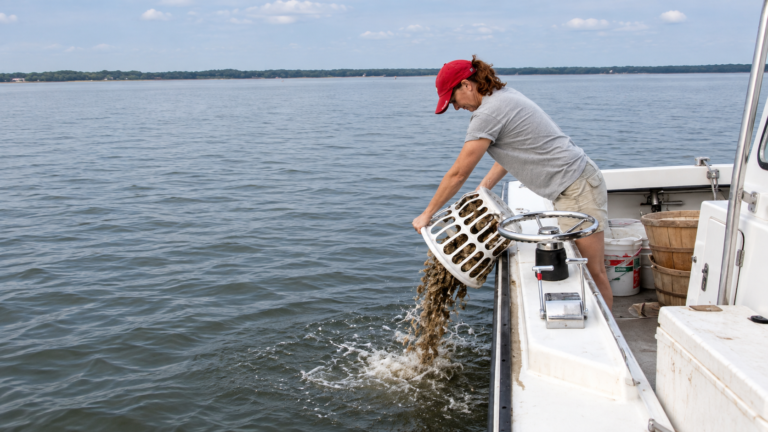
Chesapeake Bay demonstrates how mapped restoration plans, protected reefs and long-term monitoring can support oyster recovery across multiple tributaries.
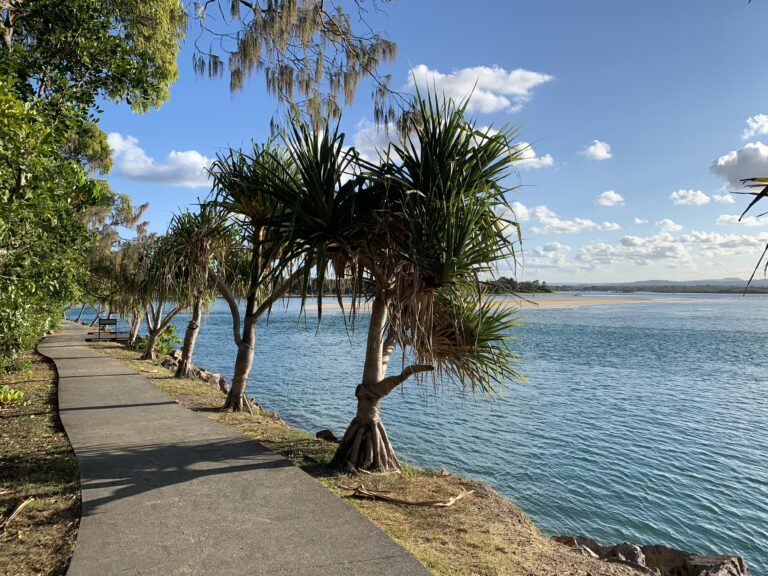
Noosa’s Huon Mundy Reefs combine carefully placed reef foundations, oyster seeding and natural recruitment to support the return of estuary habitat.
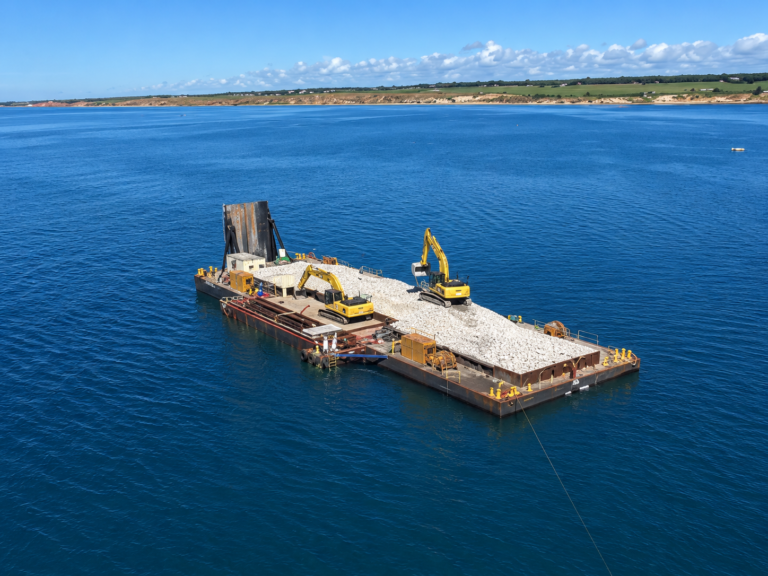
Native oysters, blue mussels and recycled shell are helping rebuild Port Phillip Bay’s lost reefs, with monitoring revealing both progress and differences between sites.
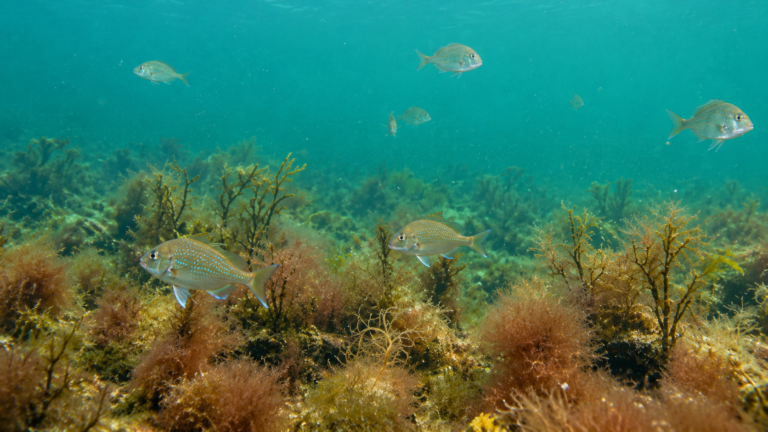
How limestone foundations and native oysters helped rebuild shellfish habitat near Ardrossan—and why long-term monitoring remains central to the story.
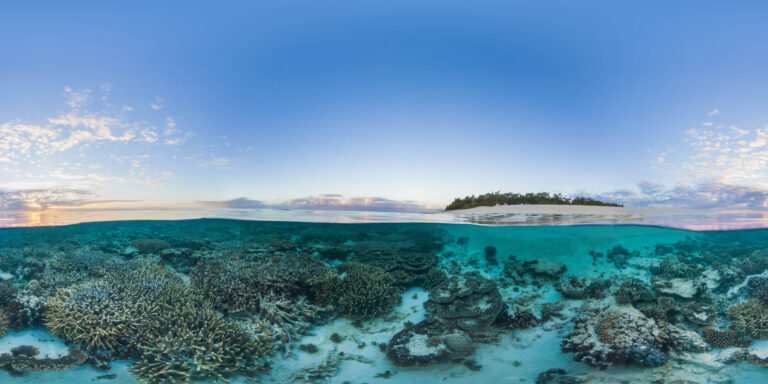
A rare cooling wake from Cyclone Alfred in February 2025 lowered sea temperatures around Lady Elliot Island, helping the reef bounce back from the 2024 bleaching event, with 90 % of coral showing signs of
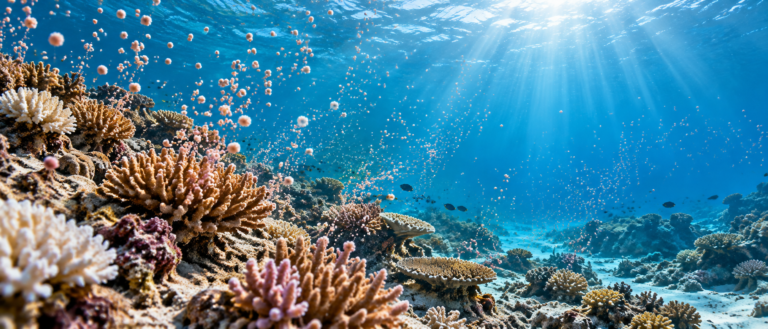
A pilot larval‑enhancement trial has delivered the first surviving baby corals onto Ningaloo’s scarred reef, showing early signs of recovery after the 2025 bleaching and April’s Cyclone Narelle.
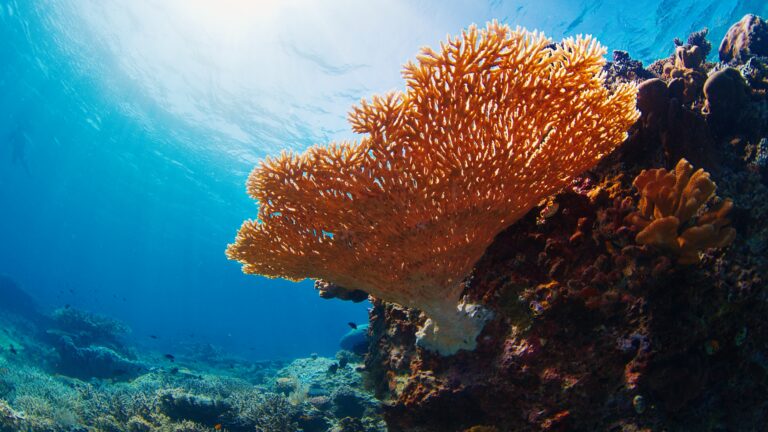
A July 2026 report from the University of Queensland details the creation of a publicly accessible Great Barrier Reef Microbial Genomes Database, compiling 800 000 microbial genomes from 48 reefs sampled over the past two
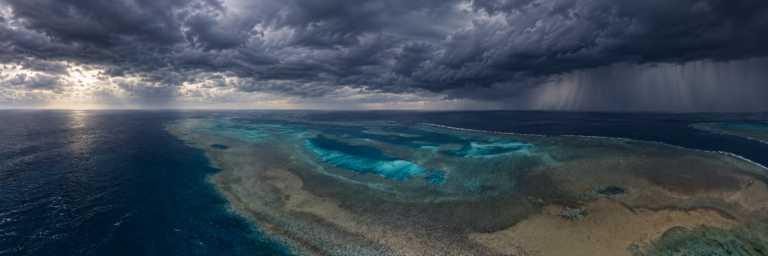
During NAIDOC Week 2026, the Great Barrier Reef Traditional Owner Taskforce highlighted the partnership between Traditional Ecological Knowledge and Western science, with new leadership appointments underscoring a collaborative future for reef stewardship.
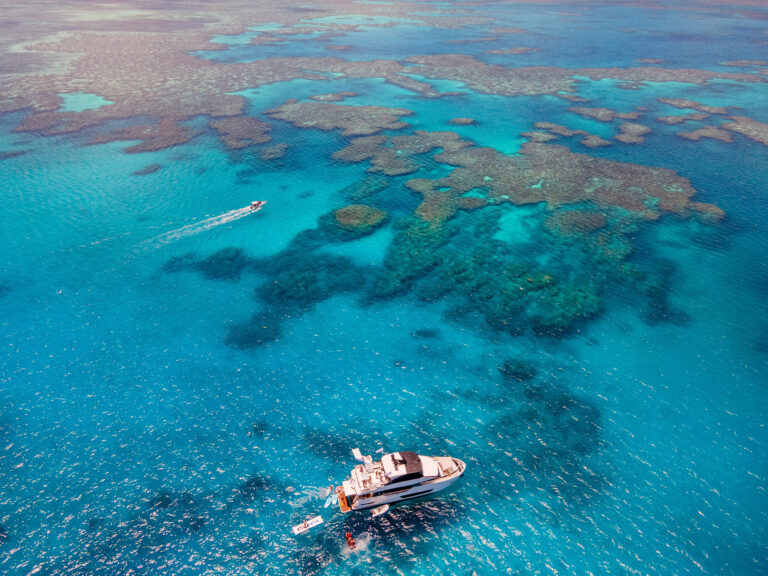
Researchers from the University of Sydney and partners have launched a three‑category assessment tool that tracks coral cover and algal dominance across Great Barrier Reef sites, offering a clearer picture of reef condition and thresholds
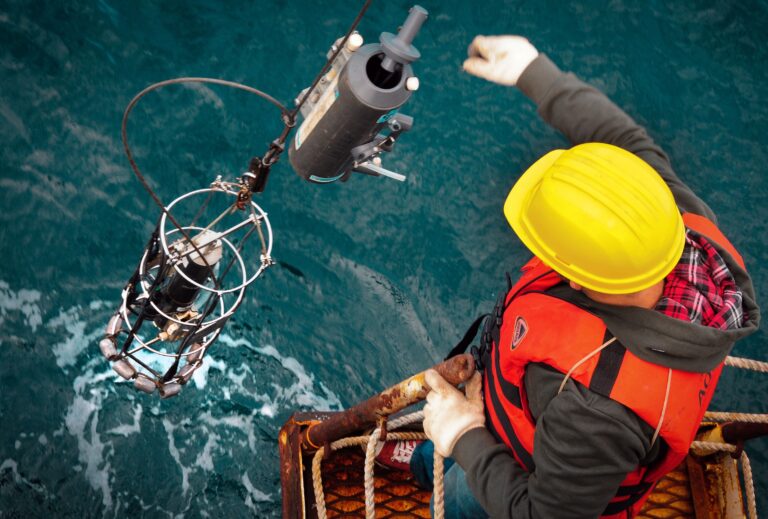
The AIMS Long‑term Monitoring Program marks 40 years of continuous data collection across the Great Barrier Reef, informing COTS control, bleaching response and next‑generation coral recruitment surveys.