

Originally reported: 31 August 2026
This is the source report date, not necessarily the date of the event.
The UNSW‑hosted Status of Coral Reefs of the World: 2025, released on 31 August 2026, records a 9.5 % drop in hard coral cover globally and a 10.9 % decline across Australia, alongside a 44 % rise in macroalgae.
The Status of Coral Reefs of the World: 2025, compiled by the Global Coral Reef Monitoring Network and the International Coral Reef Initiative, was published on 31 August 2026. The assessment draws on 21 million observations and 90 000 surveys conducted by 600 partners across a 43 000 km² reef area, including the Great Barrier Reef, Western Australian reefs and Heron Island.
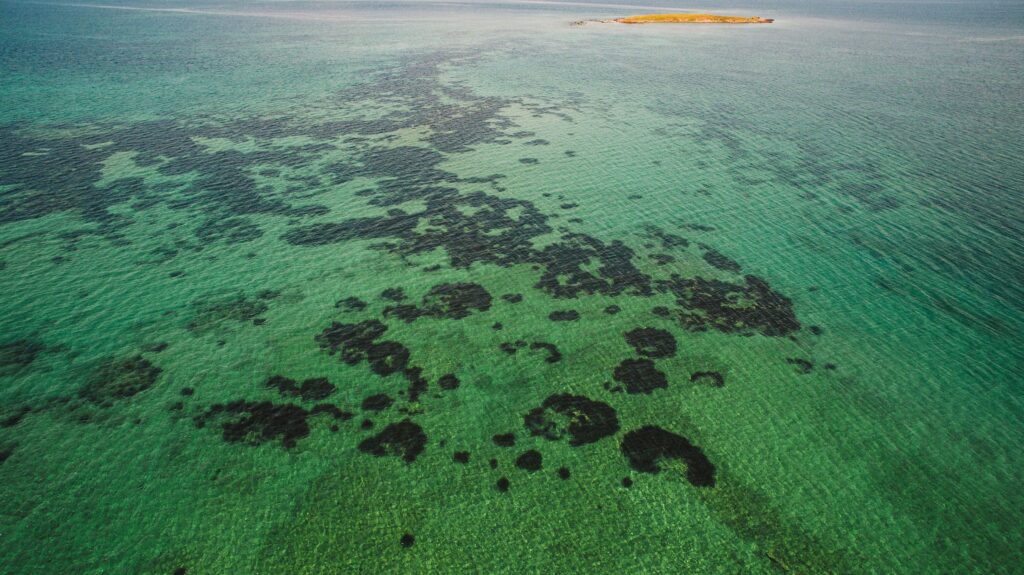
Across the reporting period, hard coral cover fell 9.5 % worldwide. In Australian waters, the decline was steeper at 10.9 %, dropping from an average of 30.2 % hard coral cover during the 1980‑2009 reference period to 27.3 % in the 2020‑2024 window. At the same time, macroalgae cover expanded by 44 %, signalling a shift in community composition that can impede coral recruitment and recovery.
Four global bleaching events were identified in the report. Since 2010, bleaching frequency has increased to roughly every five to six years, and some reefs now experience annual severe disturbance. The fourth event, spanning 2023‑2025, erased the modest 6 % recovery gain recorded between 2017‑2019. This pattern was evident on the Great Barrier Reef, where a mass bleaching episode in 2024 was followed by severe bleaching of Western Australian reefs in 2025.
The analysis attributes the escalating bleaching to climate‑driven marine heatwaves, a cause repeatedly highlighted by researchers such as Tracy Ainsworth and Melissa Lyne of UNSW Sydney. While the report notes “bright spots” of adaptation, these remain uncertain and are described as early‑stage indications of long‑term disturbance impacts.
Recommendations focus on two overarching strategies: ambitious cuts to greenhouse‑gas emissions to curb the frequency and intensity of marine heatwaves, and effective local pressure management, including improved water‑quality standards and reduction of land‑based pollution. Protecting all reefs possible is framed as a priority, given that Australian reefs represent 17 % of the world’s coral reef area.
The report also provides biological context, noting that brain coral—one of the long‑lived species monitored—can survive for up to 900 years. Such longevity underscores the potential for future recovery if stressors are mitigated, but also highlights the depth of the current crisis.
Overall, the UNSW‑based assessment paints a picture of accelerating degradation across Australia’s reef systems, with climate‑linked bleaching events outpacing recovery and driving a marked increase in macroalgal dominance. The findings call for coordinated global and local actions to reverse these trends before further losses become irreversible.
Why this matters
Australia’s reefs host a large proportion of global coral diversity and underpin significant tourism, fisheries and cultural values. The documented declines and rising macroalgae indicate deteriorating ecosystem health, which threatens biodiversity, coastal protection and local economies.
What happens next
The next reporting cycle will incorporate data from the 2023‑2025 bleaching event, while policymakers are expected to use the findings to shape emission‑reduction targets and tighter water‑quality regulations.
Marine science glossary
- hard coral cover
- The proportion of reef substrate occupied by reef‑building corals with rigid skeletons.
- macroalgae
- Large, often fast‑growing algae that can dominate reef surfaces when coral declines.
- marine heatwave
- An extended period of unusually high sea‑surface temperatures that can cause coral bleaching.